Natural Ingredients Catalog
A comprehensive guide to natural ingredients and nutritional categories commonly discussed in the context of male wellness.
Vitamin and Mineral Categories
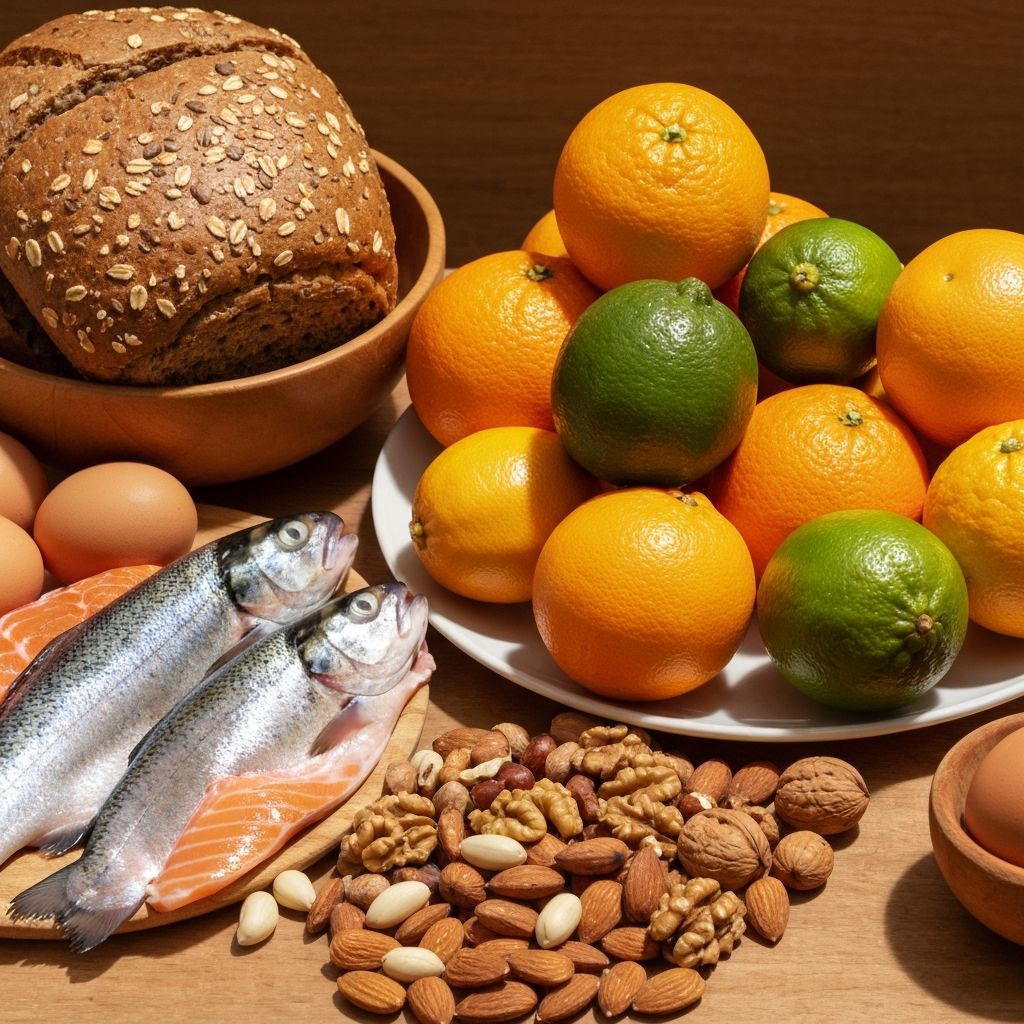
Fat-Soluble Vitamins
Vitamins A, D, E, and K require dietary fat for proper absorption. These play crucial roles in vision, bone health, and immune function.
Dietary Sources: Fatty fish, egg yolks, nuts, seeds, and leafy greens.
Water-Soluble Vitamins
B vitamins and Vitamin C are water-soluble and not stored in the body, requiring consistent dietary intake.
Dietary Sources: Whole grains, legumes, citrus fruits, and leafy vegetables.
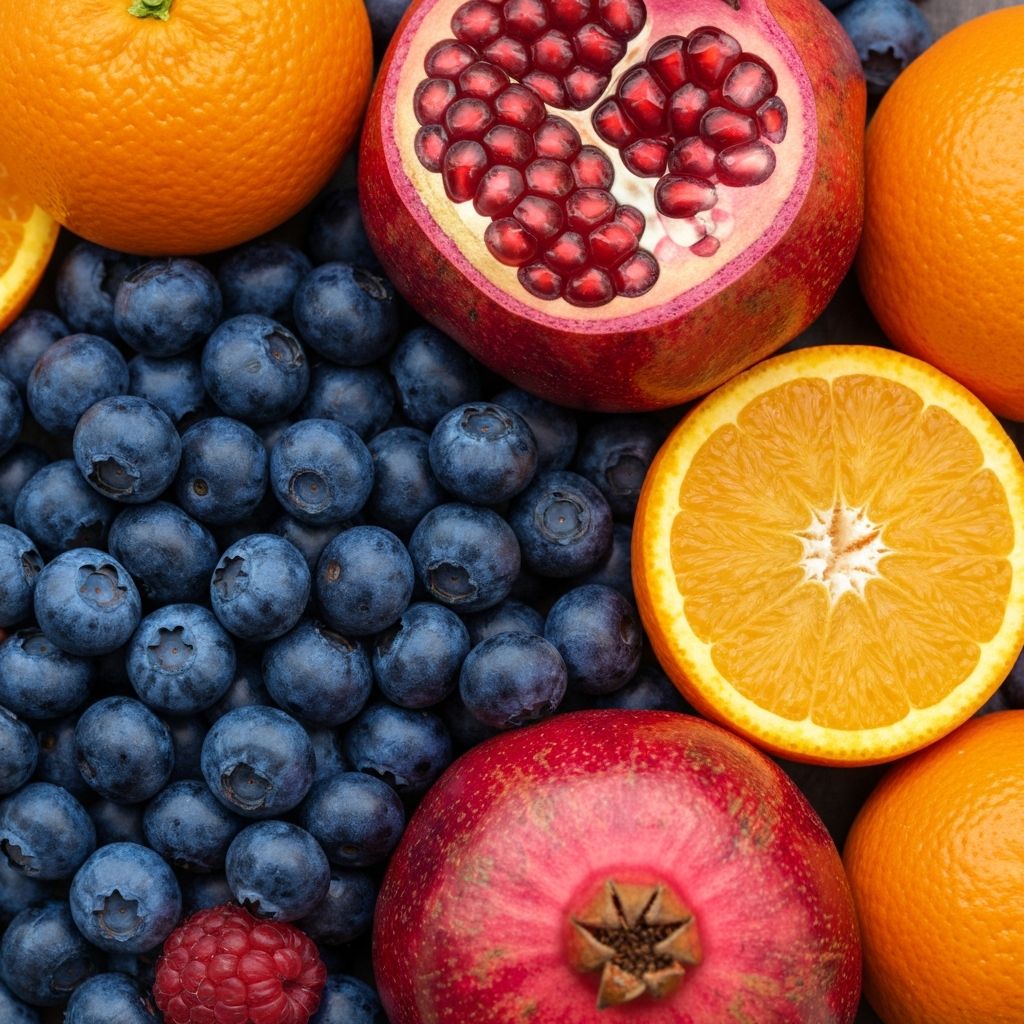
Essential Minerals
Minerals such as zinc, magnesium, selenium, and iron are fundamental to muscle function, immune response, and enzymatic activity.
Dietary Sources: Meat, fish, nuts, legumes, and whole grains.
Herbal and Botanical Extracts
Various botanicals have been traditionally used for general wellness support. These are presented for educational context only:
Ginseng
An adaptogenic herb with a long history in Asian wellness traditions. Often explored for its potential to support energy and stress resilience.
Traditional Use: Energy support, cognitive function, stress adaptation.
Active Compounds: Ginsenosides and other polysaccharides.
Ashwagandha
An important herb in Ayurvedic medicine, traditionally employed for stress management and overall vitality.
Traditional Use: Stress support, mental clarity, physical endurance.
Active Compounds: Withanolides and alkaloids.
Rhodiola
A medicinal plant used in traditional European and Asian practices to support mental performance and reduce fatigue.
Traditional Use: Energy support, mental focus, stress adaptation.
Active Compounds: Rosavins and salidroside.
Tribulus Terrestris
A plant used in traditional Ayurvedic and Chinese medicine for general vitality and wellness support.
Traditional Use: Vitality support, physical performance, general wellness.
Active Compounds: Saponins and flavonoids.
Cordyceps
A fungal species traditionally used in Chinese medicine for energy support and endurance enhancement.
Traditional Use: Energy enhancement, physical endurance, oxygen utilization.
Active Compounds: Adenosine and other bioactive polysaccharides.
Fenugreek
Seeds and extract used in traditional medicine for various wellness applications related to male health.
Traditional Use: General wellness support, physical performance.
Active Compounds: Saponins and 4-hydroxyisoleucine.
Nutritional Categories
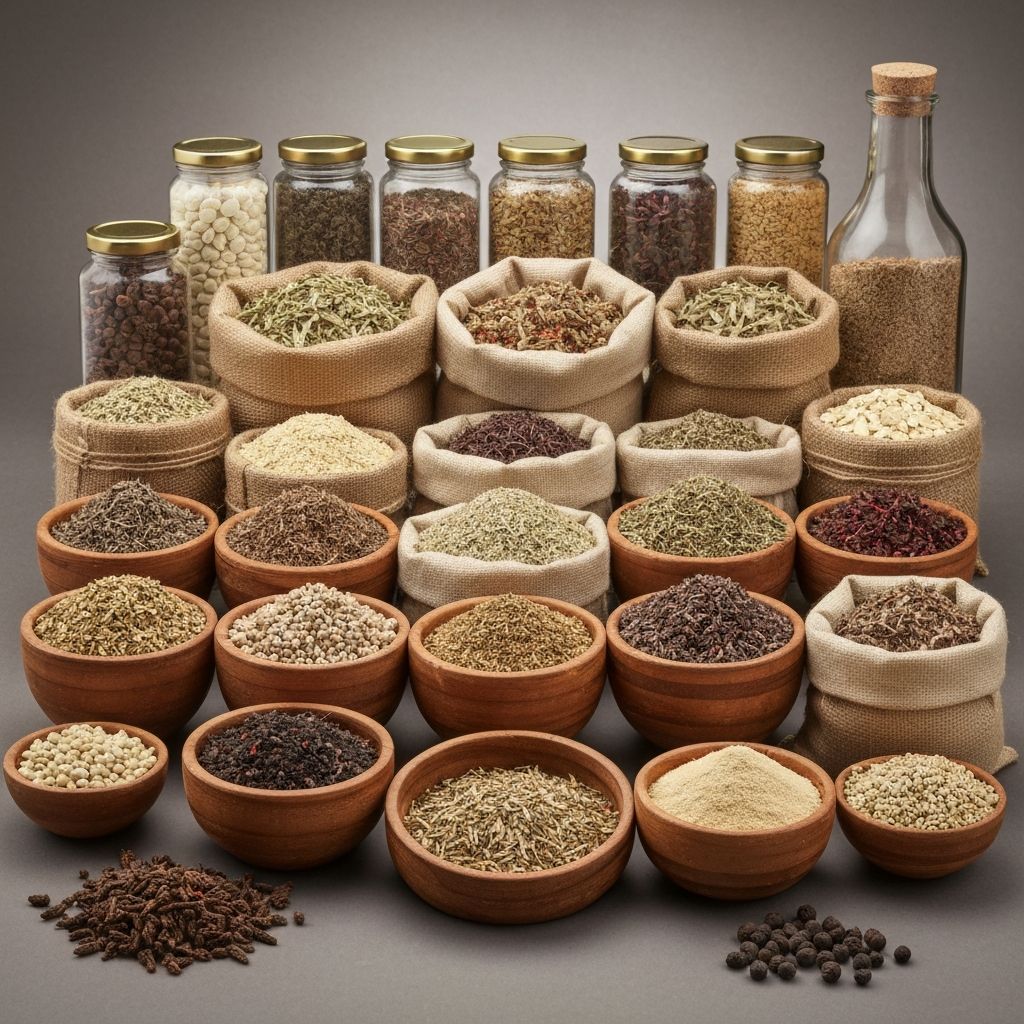
Macronutrient Categories
Proteins
Essential for muscle maintenance and repair. Found in meat, fish, eggs, legumes, and dairy products. Quality varies based on amino acid profiles.
Carbohydrates
Primary energy source. Whole grains, vegetables, and fruits provide sustained energy with beneficial fiber and micronutrients.
Healthy Fats
Essential for hormone production and nutrient absorption. Found in nuts, seeds, avocados, olive oil, and fatty fish rich in omega-3s.
Fiber
Supports digestive health and nutrient absorption. Soluble fiber in oats and legumes; insoluble fiber in vegetables and whole grains.
Special Ingredient Categories
Omega-3 and Fatty Acid Sources
- Fatty Fish: Salmon, mackerel, sardines provide EPA and DHA
- Plant-Based Sources: Flaxseeds, chia seeds, walnuts contain ALA
- Supplemental Sources: Fish oil, krill oil, algae-based supplements
- Functional Context: Support cardiovascular health and cognitive function
Antioxidant-Rich Foods
- Berries: Blueberries, raspberries, blackberries high in polyphenols
- Vegetables: Broccoli, spinach, bell peppers provide diverse antioxidants
- Beverages: Green tea, coffee contain powerful antioxidant compounds
- Spices: Turmeric, ginger, cinnamon provide additional support
Protein Sources Comparison
- Animal-Based: Complete proteins with all amino acids. Beef, chicken, fish, eggs, dairy
- Plant-Based: Often require combination for complete amino acids. Beans, lentils, quinoa, tofu
- Hybrid Approach: Combining sources ensures diverse micronutrient profiles
- Sustainability Consideration: Individual choices reflect personal health and environmental values
Functional Foods
- Fermented Foods: Yogurt, kefir, sauerkraut support digestive health
- Cruciferous Vegetables: Broccoli, cauliflower contain sulforaphane compounds
- Whole Grains: Oats, brown rice, quinoa provide fiber and B vitamins
- Legumes: Beans and lentils combine protein, fiber, and minerals
Informational Nature of This Catalog
This catalog is designed for educational purposes only. It presents general information about natural ingredients and nutritional categories commonly discussed in the context of male wellness.
Important Notes:
- This information does not constitute medical advice or endorsement of specific products
- Individual responses to dietary changes vary significantly based on genetics, health status, and lifestyle
- Supplements should not replace a balanced diet and healthy lifestyle practices
- Consultation with qualified healthcare professionals is essential before making significant dietary changes
- This resource is not affiliated with product sales or commercial interests
Learn More
Return to our comprehensive educational guide to understand how these ingredients and nutrients support male wellness.
Return to Home